
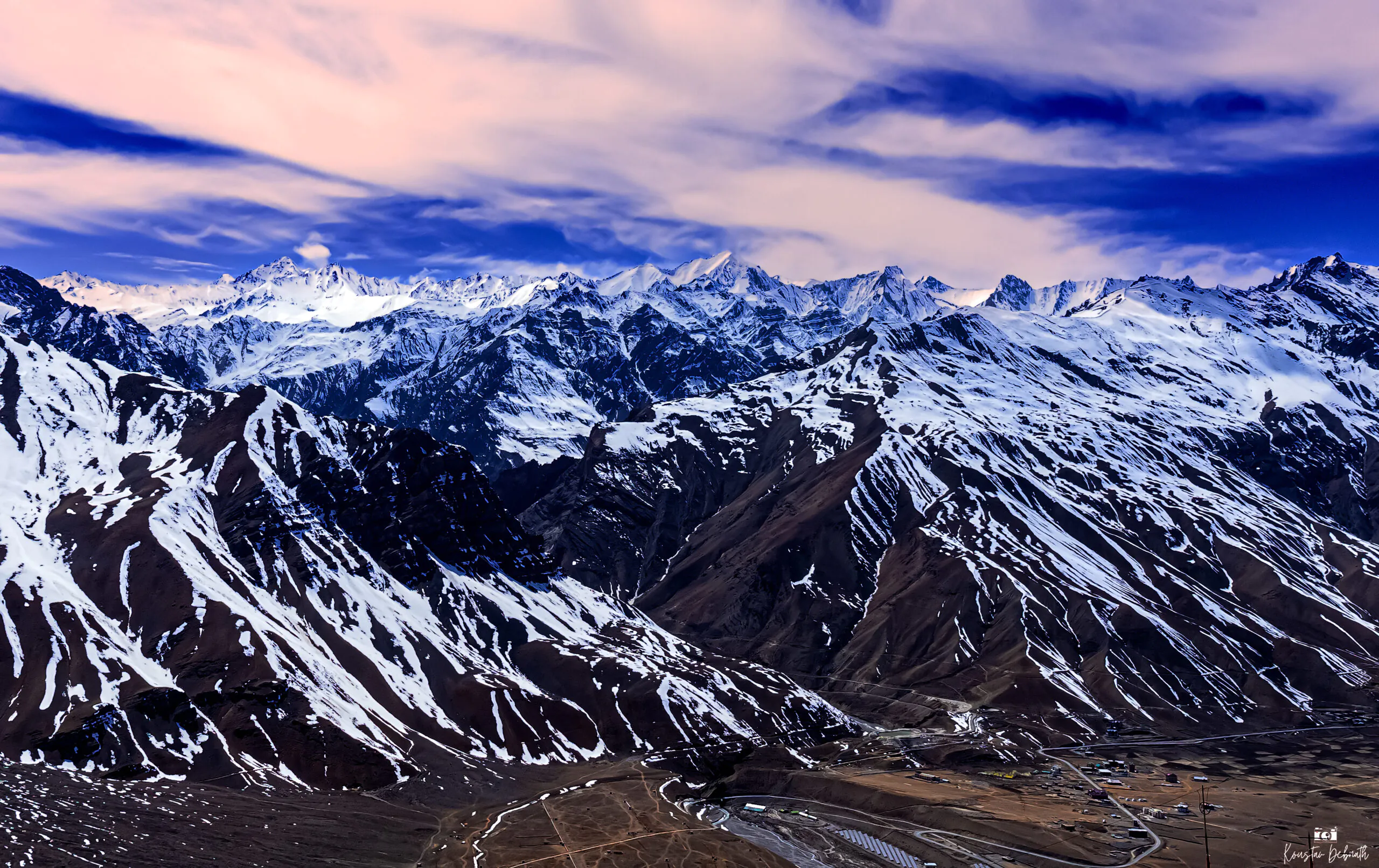

Craving mountains so rugged they steal your breath, roads that challenge every turn, and an adrenaline rush that pulses through your veins at high altitude? Then Spiti Valley is not just a destination, it’s a calling! For years, this breathtaking region was the exclusive domain of intrepid moto enthusiasts, a thrilling secret shared among a select few.
But hold onto your helmets! Thanks to the phenomenal work of the Border Roads Organisation (BRO), this high-altitude marvel has opened its majestic gates, making its spellbinding landscapes accessible to a much wider audience.
How to Reach the Spiti Valley?
You’ve got two classic starting points: the bustling Shimla or the popular Manali. But here’s an insider tip that could make or break your trip: we highly recommend commencing your journey from Shimla!
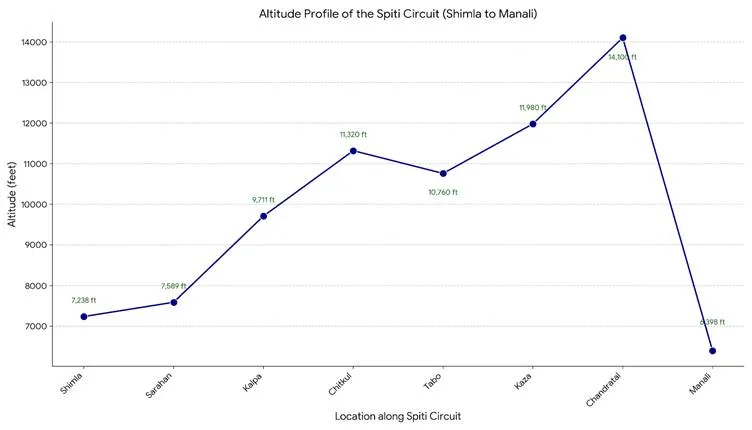
Why the strong preference? Because Spiti Valley, for all its breathtaking beauty, is situated at a staggering altitude of over 12,000 feet above sea level. Ascending too quickly, especially from Manali, dramatically increases your risk of Acute Mountain Sickness (AMS) – and believe us, that’s a party pooper you want to avoid!
Starting your Spiti Circuit from Shimla allows for a crucial, gradual ascent. This gentle climb gives your body the vital time it needs to acclimatize to the thinning air, significantly lowering your risk of AMS. So, prioritize your well-being, plan smart, and ensure your high-altitude exploration is filled with awe-inspiring moments, not altitude woes!
Nearest Railway Station:
Begin your Spiti adventure at Kalka Railway Station, where you can hop onto the charming Kalka-Shimla Mountain Railway for a delightful journey. From Shimla you can either hire a car or take a bus.
Nearest Airport:
The nearest airport to Spiti Valley is Bhuntar Airport in Shimla. The closest international airport is Chandigarh. Kaza is about 250 km from Bhuntar and 500 km from Chandigarh. From here, you have to get a bus or hire a car to reach Spiti Valley.
Spiti from Shimla Side
So, you’ve decided to embark on the legendary Spiti Circuit from the Shimla side? Smart move! But before you dive headfirst into the high-altitude wilderness, let’s give you a brief Itinerary:
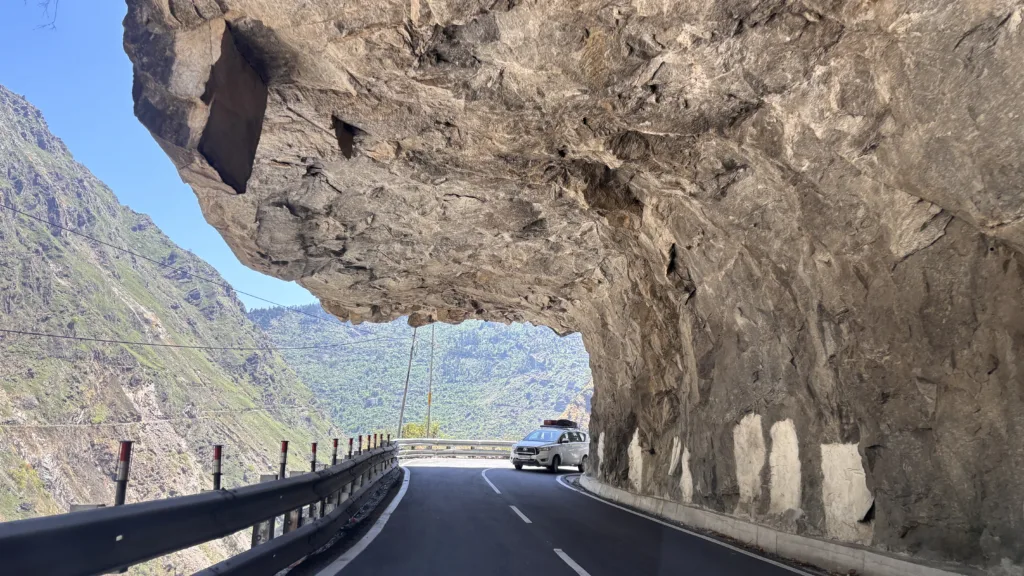
The journey to Spiti Valley from Shimla isn’t just a drive; it’s a living, breathing art installation along the legendary Hindustan-Tibet Highway.
Prepare to be mesmerized as the landscape transforms before your very eyes! Watch in awe as the lush, verdant greens of the Shimla Valley gracefully give way to the rugged, almost ethereal beauty of the Kinnaur Valley. Every mile unveils a new masterpiece, a dramatic shift in vegetation that paints a vivid story of the Himalayas’ diverse soul. This highway isn’t just a path; it’s a captivating prelude to the magic of Spiti!
Here is a glimpse of a most-common itinerary for Spiti assuming you start at Shimla and end in Manali
Day 1: Shimla – Sarahan (Journey time 6 – 6.5 hrs)
Places of Interest in Sarahan:
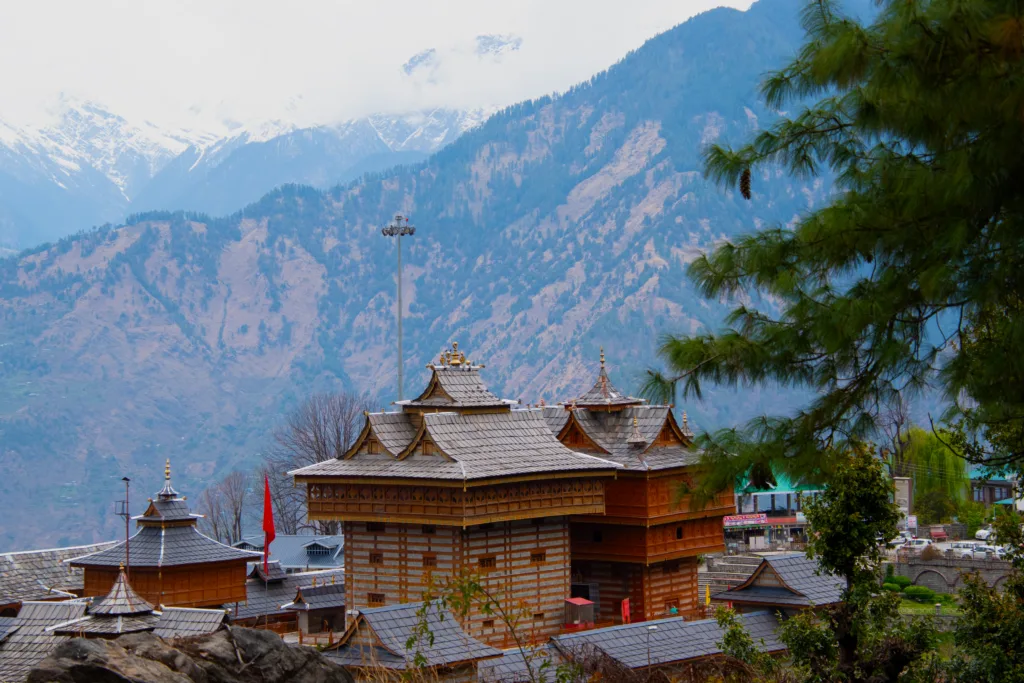
- Bhima Kali Temple: This is the most famous attraction. It’s a revered Shakti Peetha dedicated to Goddess Bhima Kali Mata, showcasing unique Himachali Wooden Architecture.
- Village Walk / Forest Hike (towards the Peasantry): You can take a short walk up through the village, often towards an old peasantry. Even if the peasantry itself is closed, the hike through the surrounding forest is considered thrilling and excellent for bird photography.
Hotels and Homestays:
Recommended: HPTDC Hotel Srikhand Sarahan (Tourism Property): Located just opposite of the Bhima Kali temple. Website: https://hptdc.in/index.php/the-srikhand-sarahan/, Zostel (Shimla) https://www.zostel.com/
Hotel Snow View: Located near the temple.
Day 2: Sarahan – Kalpa (Journey Time 3.5 -4 hrs)
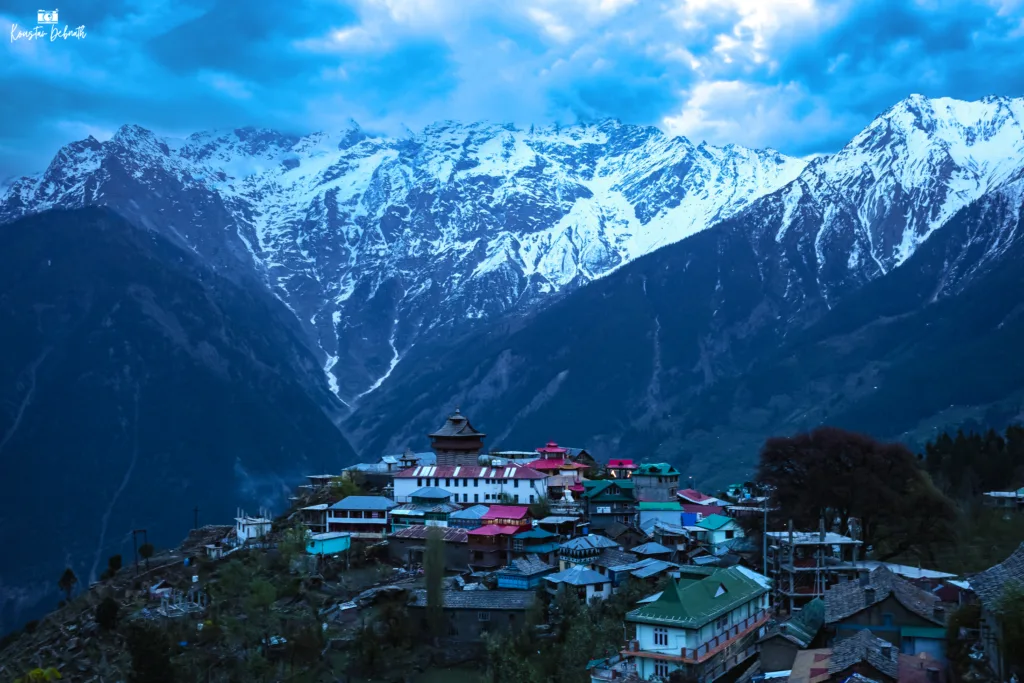
Places of Interest in Kalpa:
- The Majestic Kinnaur Kailash View: A Divine Spectacle! – Get ready to be awestruck! Kalpa boasts some of the most phenomenal views of the Kinnaur Kailash range. This isn’t just a mountain view; it’s a spiritual experience, with the sacred peak of Shiva-Lingam standing tall and proud. This will likely be one of the most unforgettable, soul-stirring scenes of your entire Spiti trip – a vista that truly leaves you breathless.
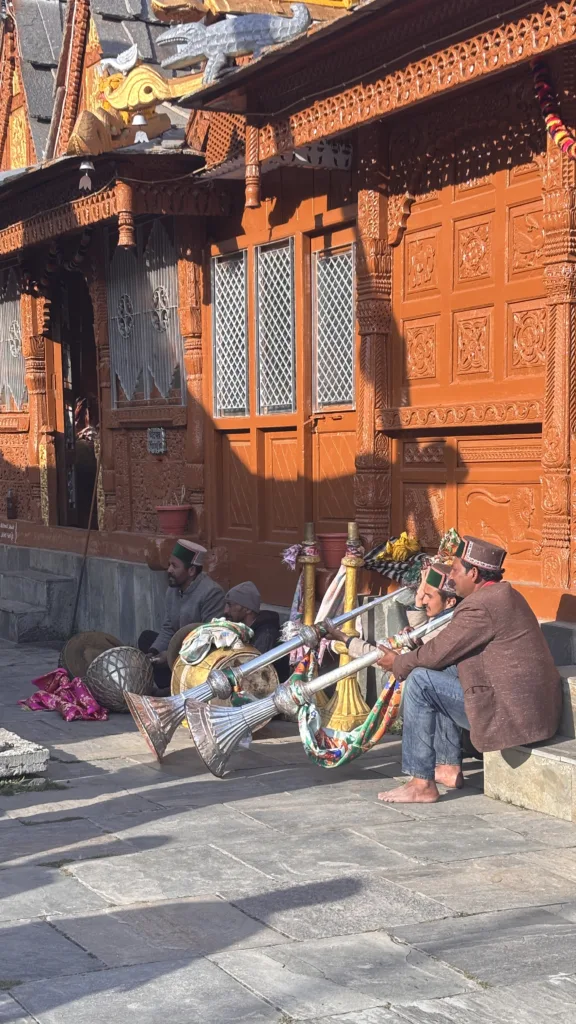
- Narayan-Nagini Temple: Where Wood Carvings Tell Tales – Dive into local artistry and spirituality at the Narayan-Nagini Temple. This stunning temple is a testament to the region’s rich heritage, featuring incredibly intricate wooden carvings that depict deities and ancient stories. Dedicated to Lord Narayan and Goddess Nagini, it’s a sacred site revered by the local Chinni tribes.
Pro Tip for an Unforgettable Evening: If your timing is right (especially during sunset!), you might just witness a truly magical local celebration. The villagers gather to play traditional trumpets and musical instruments, accompanying the Goddess Doli as it gracefully parades through the village. It’s a vibrant, authentic cultural experience not to be missed!
- Hu-Bu-Lan-Kar Monastery – Right next to the Narayan Temple, discover the serene Hu-Bu-Lan-Kar Monastery. Here, the peaceful hum of ‘Om Mani Padme Hum’ fills the air, creating a unique blend of two religions that fosters deep tranquility and harmony in the Himalayan embrace.
- Roghi Village: A Hidden Hamlet’s Serenity – Just a short, scenic drive onward from Kalpa lies the quaint, untouched village of Roghi. Take a leisurely stroll down from the main road into the heart of this peaceful hamlet. Here, you’ll discover another very beautiful Narayan Temple, nestled amidst the village’s rustic charm. It’s a wonderful opportunity to experience traditional Kinnauri village life up close.
- Suicide Point: The Ultimate Panoramic Perch! – Located near Roghi Village, this viewpoint (commonly known as Suicide Point, but let’s call it the Kinnaur Cliffhanger View for its sheer drama!) offers genuinely breathtaking vistas. From here, you can command a full, unobstructed view of the majestic Kinnaur Kailash range, stretching out in all its glory. It’s an incredible spot for panoramic photography and simply soaking in the vastness of the Himalayas.
Hotels and Homestays:
Recommended: HPTDC Himachal Tourism property – Hotel Kinnaur Kailash (For a Brilliant View of the range), Hotel Monal Regency, Kalpa (+91 82195 89546 – Ponks Thakur)
Day 3: Kalpa to Chitkul (Journey time 3.5 hrs) – OPTIONAL
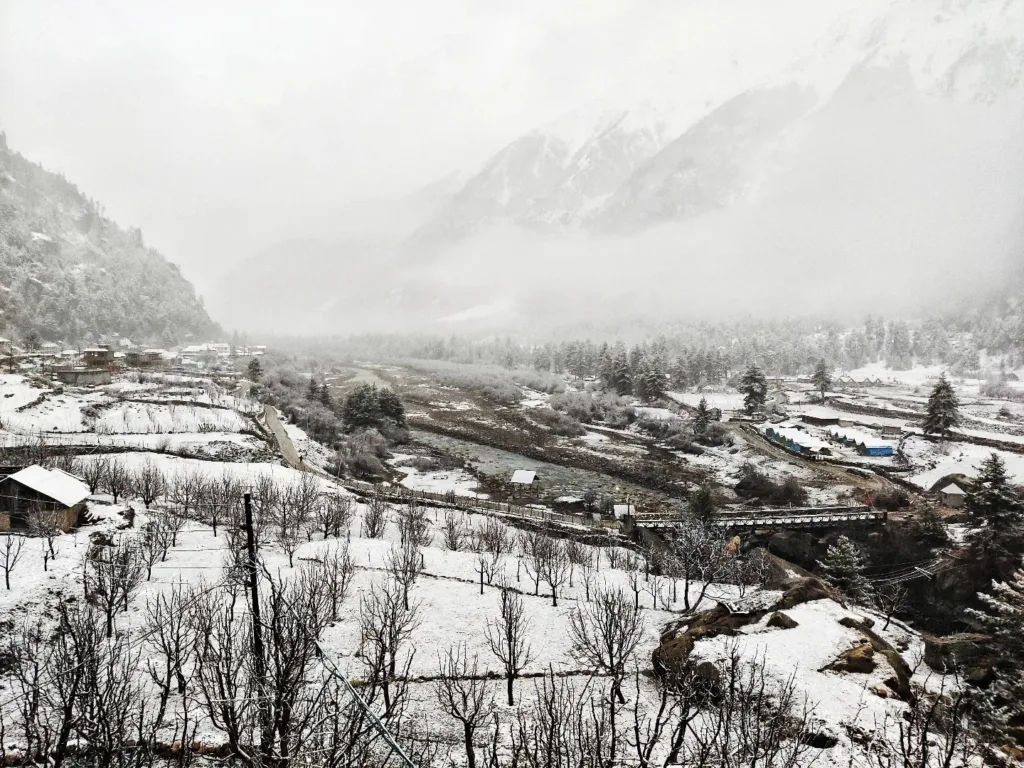
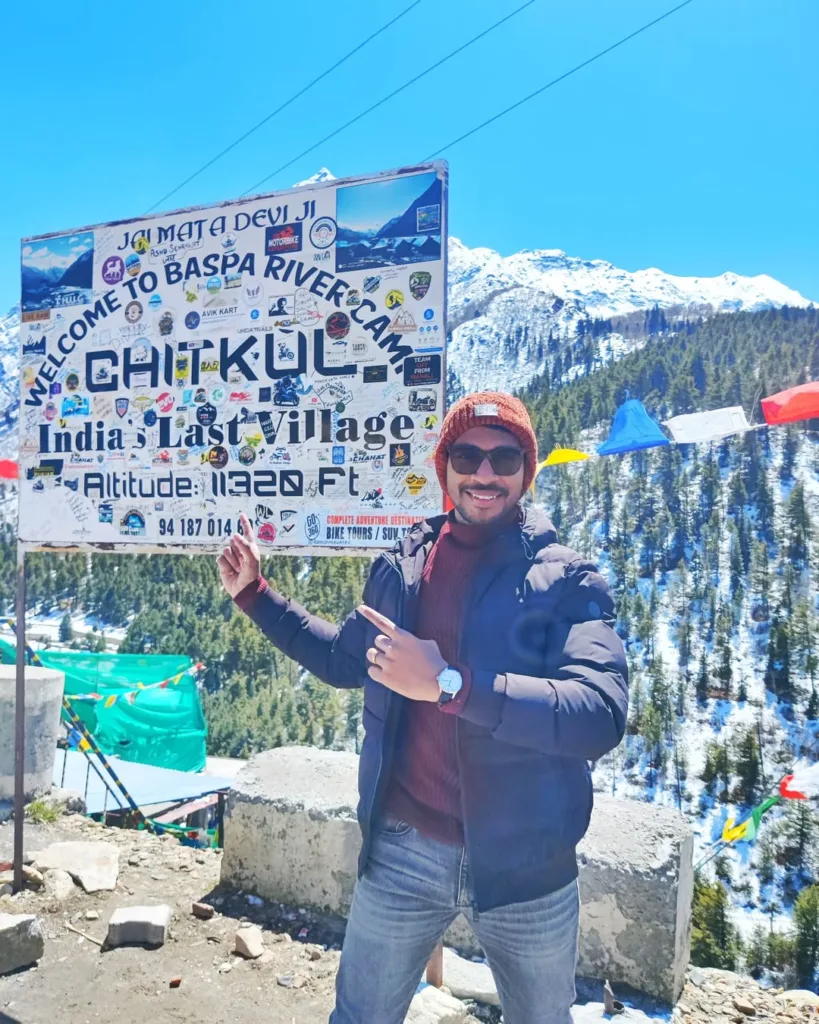
Journey past stunning Sangla and Rakcham to discover Chitkul, the quaint hamlet at the India-China border. Feast on Chole Chawal at “Akhri Dhaba,” then simply stroll the village and along the tranquil Bapsa River. It’s your ultimate end-of-the-road serenity!
Hotels and Homestays:
Recommended: Zostel, Chitkul (https://www.zostel.com/zostel/chitkul/chitkul-chth585/), Samaa Resorts, Chitkul.
Day 4: Chitkul to Tabo, Via Nako (Journey Time 9- 10 hrs)
Get ready for an early start and a truly dramatic transformation! Today, you’ll leave Kinnaur’s softer landscapes behind as the roads grow rugged and the scenery explodes into the stark, breathtaking beauty of the Spiti region.
Your journey winds through quaint villages like Pooh and Sumdo, culminating at the iconic Khab Bridge – where the Spiti and Sutlej rivers dramatically merge. (Pro Tip: Grab a unique Rhododendron Juice at the local tea shops here!)
From Khab, ascend to Nako, a stunning village perched at 12,014 ft. Here, you’ll discover the mesmerizing, sacred Nako Lake with its perfect mountain reflections, and explore the ancient 11th-century Nako Monastery, a Tibetan marvel adorned with vibrant, centuries-old Buddhist paintings. Get ready for awe!
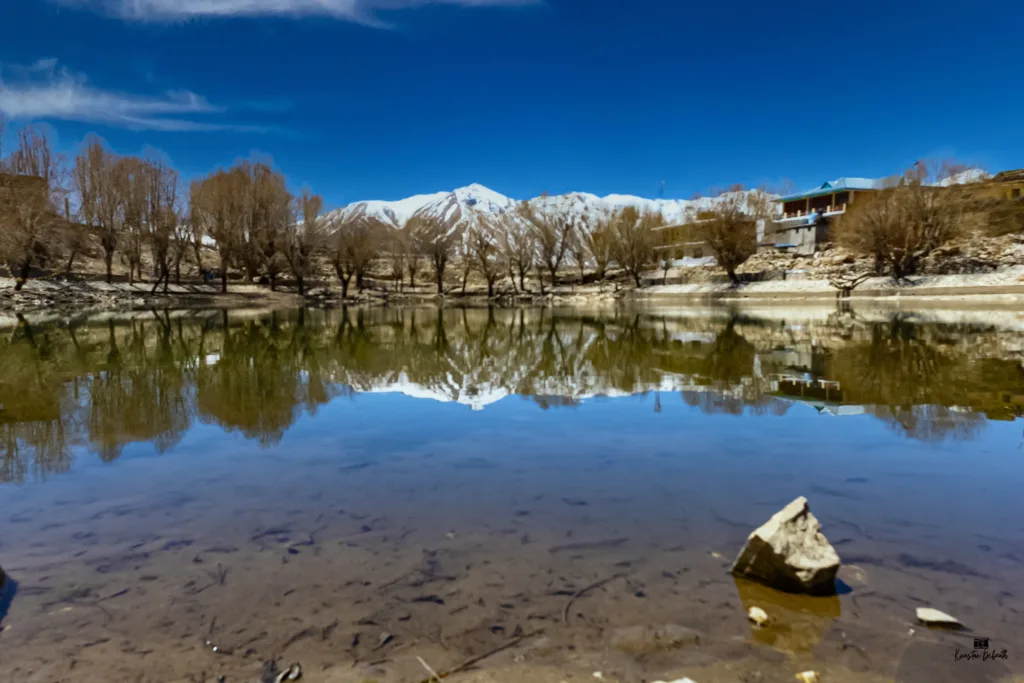
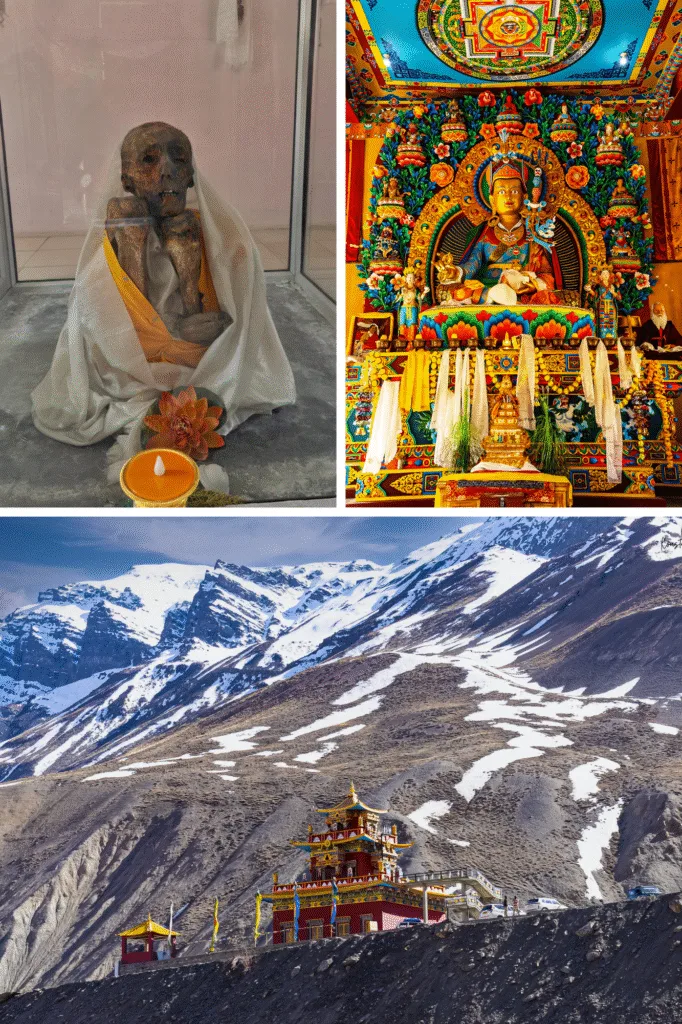
After crossing the infamous Malling Nala, a landslide zone, you will be moving towards Tabo. At about, 50 kms away from Tabo, a rusty road takes a right turn, towards Gui Village. A short drive towards Gui Village will reach you to Gui Monastery. It holds a fascinating and somewhat eerie story centered around its most famous resident: the 500-year-old mummified body of a Buddhist lama, Sangha Tenzin. The mummy was originally discovered in 1975 when an earthquake caused the collapse of a stupa. It was then found by Border Roads Organisation (BRO) personnel during road-clearing operations.
You will be reaching Tabo around evening.
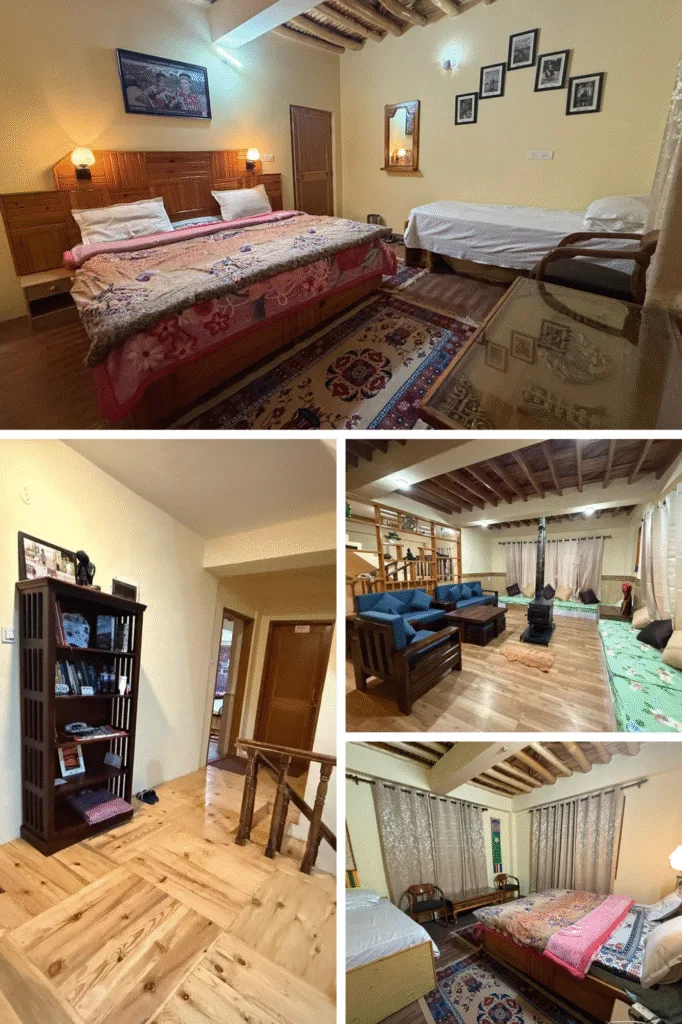
Hotels and Homestays:
Phunstok Homestay: +91 78764 – 67911 (Mr Phunstok, a wonderful person and a lovely homestay).
Palkit Homestay: +91 82195 – 64182.
Day 5: Tabo to Kaza, via Dhankar Monastery (5 hrs Journey)
Welcome to a wonderful day at Tabo!!
Places of interest in Tabo:
- Tabo Monastery: The heart of Tabo beats within its iconic monastery complex. You’ll find it gracefully divided into its venerable Old Monastery and a newer, vibrant section. It’s the Old Temple site that truly captivates: a collection of nine humble yet awe-inspiring temples and several stupas, all crafted from simple mud. Don’t let their exterior fool you! Step inside, and you’ll be transported to a world brimming with exquisitely preserved 1,000-year-old Buddhist deities, wonder-filled paintings, and intricate sculptures.
- Tabo Caves: Embark on a short uphill trek to the fascinating Tabo Caves. Discover these ancient rock-cut meditation retreats, used by monks even today in winter, and soak in the panoramic bird’s-eye view of Tabo Village below. It’s a journey into timeless tranquility!
Pro Tip: Don’t forget to try the Nutella pan cakes from the café situated just at the starting of the trek to Tabo caves.
From Tabo now you will drive towards Kaza, the Sub-divisional HQ of Spiti Valley. On the way stop at Dhankar Monastery, a fortress of faith.
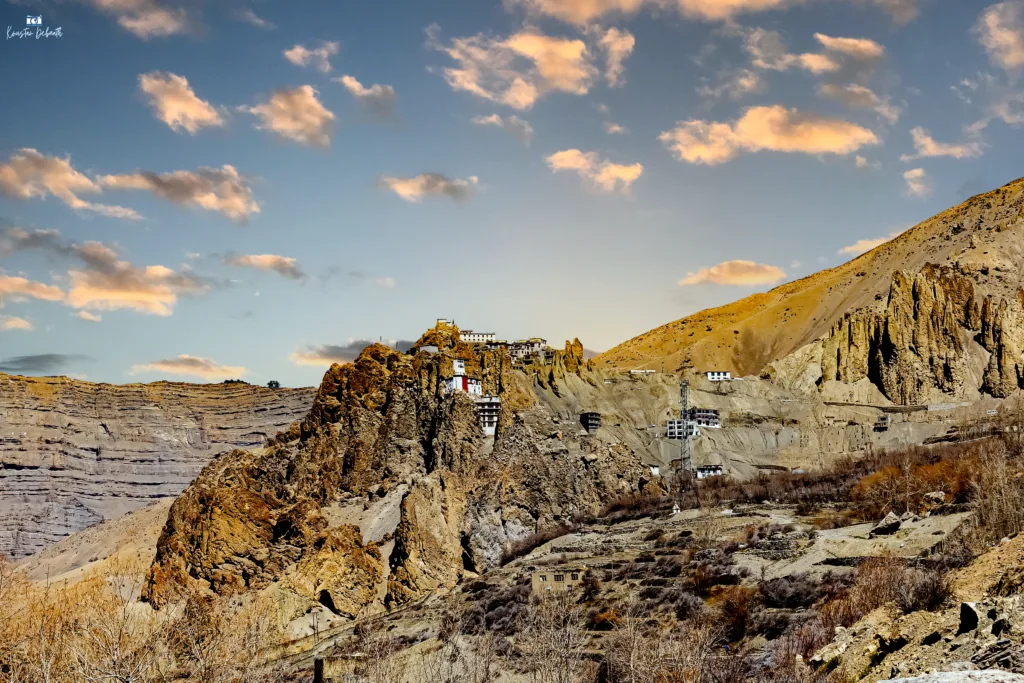
Dating back over a thousand years, Dhankar served as the traditional capital of the Spiti Valley kings (the Nono). Its fort-like structure speaks volumes of its past as a strategic stronghold, guarding the valley.
From Dhankar, the panoramic vistas are simply out of this world. Gaze upon the vast expanse of the Spiti Valley, the serpentine rivers below, and the rugged, arid mountains stretching endlessly. It’s a photographer’s paradise and a soul-seeker’s haven.
You will be reaching Kaza, during afternoon.
Lunch Recommendation: Piti Café and The Himalayan Café. Though we love the food of the Piti Café more!!
Hotels and Homestays:
- Deyzor Hotel Kaza (Not open during winters)
- Spiti Monk, Kaza (Where we Stayed. Ph No +91 83530 – 68627)
- Baspa Resort, Kaza (Ph No: +91 82788 – 15944)
Day 6: High Altitude villages from Kaza
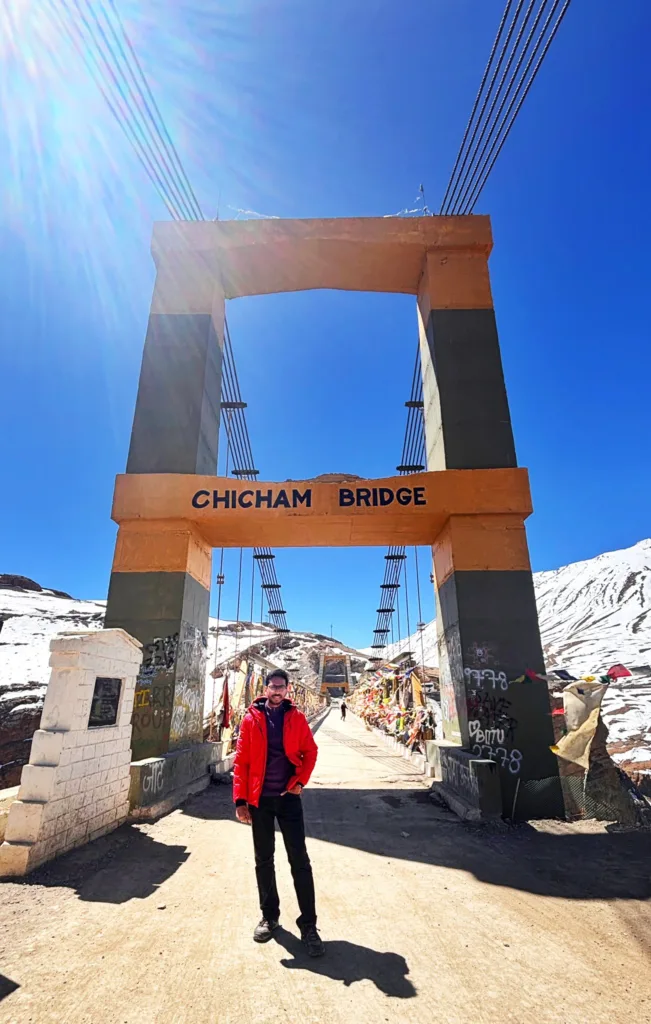
Kibber Village and Chicham Bridge: Perched as one of Spiti Valley’s highest villages, Kibber is just 19 km from Kaza. More thrillingly, it’s your direct entry point to the Kibber Wildlife Sanctuary, offering an incredible chance to spot the elusive Snow Leopard and Himalayan Ibex. Nestled high in the rugged terrain of Spiti Valley, connecting the remote villages of Chicham and Kiato (near Kibber), this isn’t just any bridge. It’s renowned as one of Asia’s highest suspension bridges, soaring an astonishing 1,359 feet (approx. 414 meters) above a dramatic gorge.
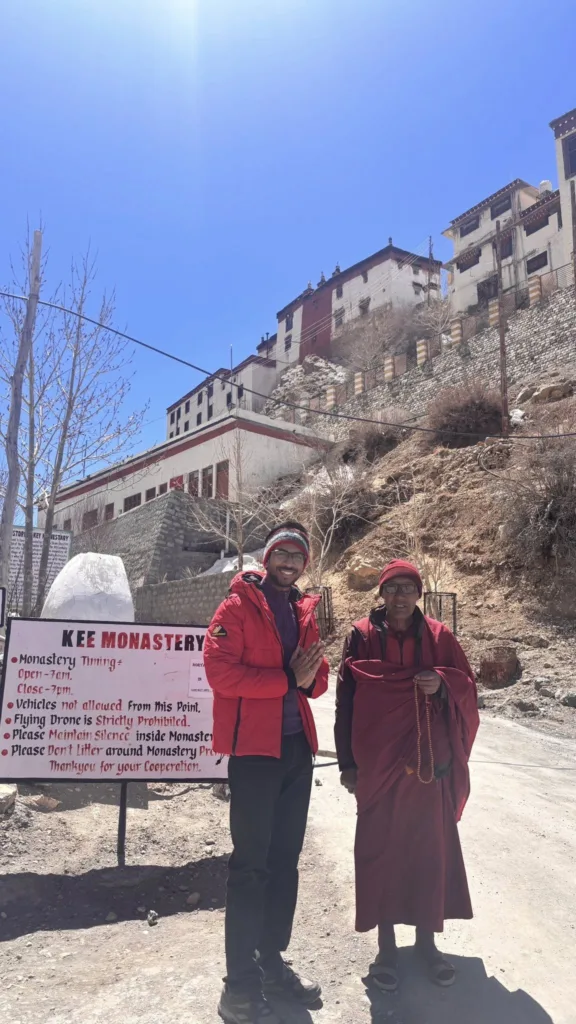
Key Monastery: Key Monastery (Ki Gompa)! Perched majestically atop a conical hill, just a short drive from Kaza, this ancient marvel isn’t just a monastery; it’s a living fortress of faith, an architectural wonder, and a beacon of Buddhist learning. It is the largest and oldest monastery in the entire Spiti Valley, with a history stretching back over a thousand years.
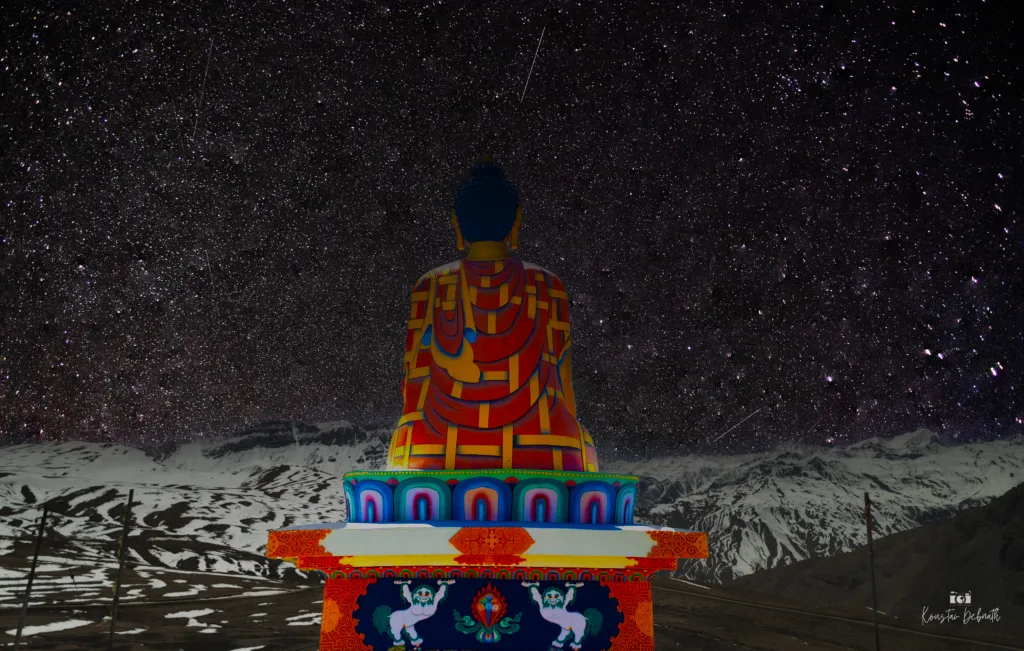
Langza Village: Dominating the landscape is a colossal, majestic Buddha statue, standing proudly against the backdrop of the rugged Himalayan peaks. It’s a breathtaking sight that offers a serene moment of reflection and incredible photo opportunities, seeming to bless the entire valley below.
But what truly sets Langza apart is its incredible geological heritage. This village is famous as a fossil hotspot! Long, long ago, the very ground you walk on was submerged beneath the Tethys Sea.
Hikkim Village: Send a Postcard from the Top of the World!. Nestled at a dizzying altitude, Hikkim is globally renowned for being home to the world’s highest post office! But that’s not all! Hikkim also proudly houses the world’s highest polling station, a testament to the resilience and spirit of democracy thriving in even the most extreme terrains.
Komic Village: Perched at a staggering altitude of over 15,000 feet. The drive up is an adventure in itself, winding through dramatic, arid landscapes that truly embody the “cold desert” moniker of Spiti.
Day 7: Kaza to Manali via Chandratal (Road via Kunzum Pass opens usually around May end) (8 – 10 hrs Journey)
Alright, adventurers, listen up! The stretch from Kaza to Manali isn’t just a road – it’s an epic saga, a testament to the raw power and breathtaking beauty of the Himalayas. Clocking in at around 188 grueling kilometers, this legendary route demands respect, patience, and a strong sense of adventure. But here’s the magic, the irresistible pull: despite all the risks and challenges, this is arguably the most beautiful road you will witness in your entire lifetime.
Kaza Manali highway remains closed almost eight months of the year from October till late May or June beginning because of extreme weather conditions like heavy snowfall, avalanches, glaciers melting, land slides etc.
Heads up for the Kaza-Manali road: start by 6 AM, sharp! This isn’t just a suggestion, it’s crucial. After noon, rising temperatures cause glaciers to melt significantly, making road crossings dangerously high. Beat the water levels and ensure a safer, smoother journey!
***
Road journey on this route can be divided into five main parts:
Kaza to Losar
Losar to Kunzum top
Kunzum top to Batal
Batal to Gramphoo
Gramphoo to Manali
***
Chandrataal Lake
P.S. if you’re visiting Chandratal lake also, the route will be diverting before Batal and there’ll be around 14 km off-roading. Its advisable to stay at Chandratal only or at Batal (No option except Chandra Dhaba or PWD rest house if you’re extremely lucky). You can cover the last leg of journey on next day.
Best Season for Spiti Valley
March – May: This window offers a truly unique experience! While Kinnaur Valley enjoys pleasant, drier weather, with daytime temperatures in Kaza hovering around a cool 7-8°C and nights dipping to a frosty -2 to 3°C, Spiti itself remains a captivating cold desert.
As a rain-shadow region, you’ll be greeted by a landscape often blanketed in pristine snow, especially in the high-altitude villages around Kaza, particularly in early April. However, here’s a crucial heads-up for your planning: the direct Kaza-Manali road typically remains closed until the end of May due to heavy snow. This means you’ll need to retrace your steps and exit the valley via the Kinnaur route you came in on. Embrace the snow, but plan your return accordingly!
June – September: It is the ideal time to do the full Spiti Circuit trip. The road to Manali will be open with ice walls at Kunzum Pass during the early June. Camps will be set-up at Chandrataal Lake. However, expect some heavy spell of rain at Kinnaur valley during the months of July and August. Please beware, the roads at Kinnaur Valley are prone to landslides especially at Nigulsari Area. Daytime temperatures in Kaza hovering around a cool 9-14°C and nights dipping to a frosty 3 to 5°C.
October – February: Dreaming of Winter Spiti? Be ready for extremes! The Kaza to Manali road via Kunzum Pass closes by late October, making Kinnaur your only entry/exit point.
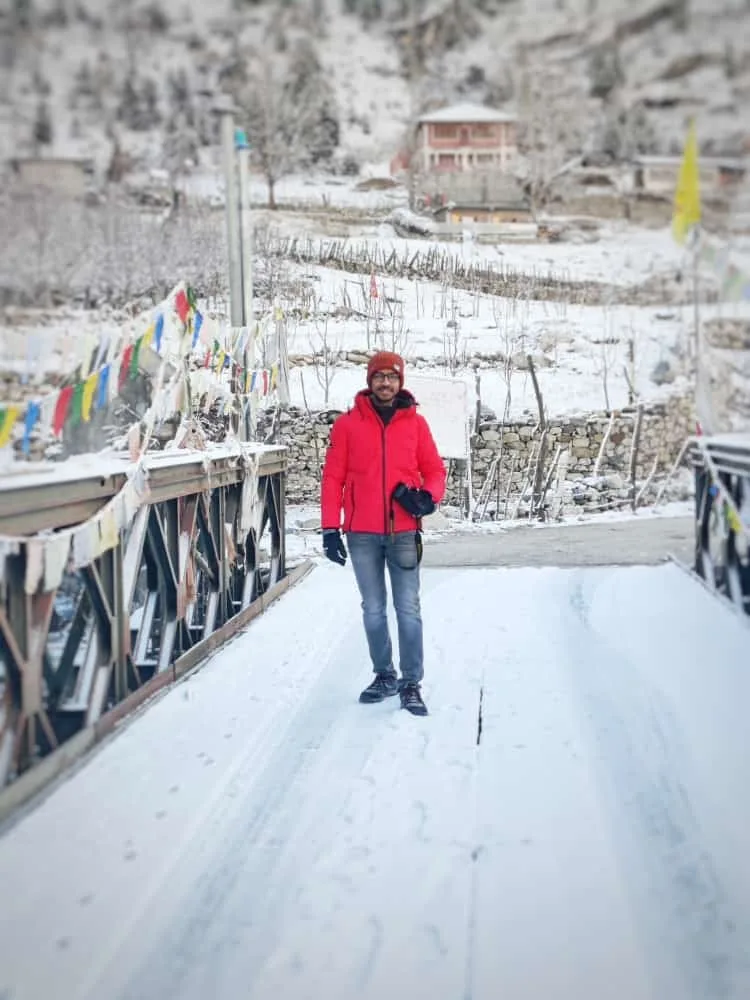
While November to mid-December offers drier cold, January and February bring heavy snowfall and plummeting temperatures (around -4°C – -18°C in Kaza). This harsh beauty, however, offers an incredible reward: it’s prime time for spotting elusive Snow Leopards at Kibber Village as they descend for food!
Expect most hotels to be closed, relying on cozy homestays, and prepare for frozen taps, meaning dry pits. Winter Spiti isn’t for the faint of heart, but for true adventure seekers, it’s a profound, unforgettable dream!